A global engineering consultancy
Case study · Creating Cohesive TeamsA global engineering consultancy resets its culture
The consultancy ran in regional silos, and its senior team lacked trust and accountability. We ran Creating Cohesive Teams with the senior team, then cascaded it through every level of leadership. Senior team cohesion improved by an average of 37%.
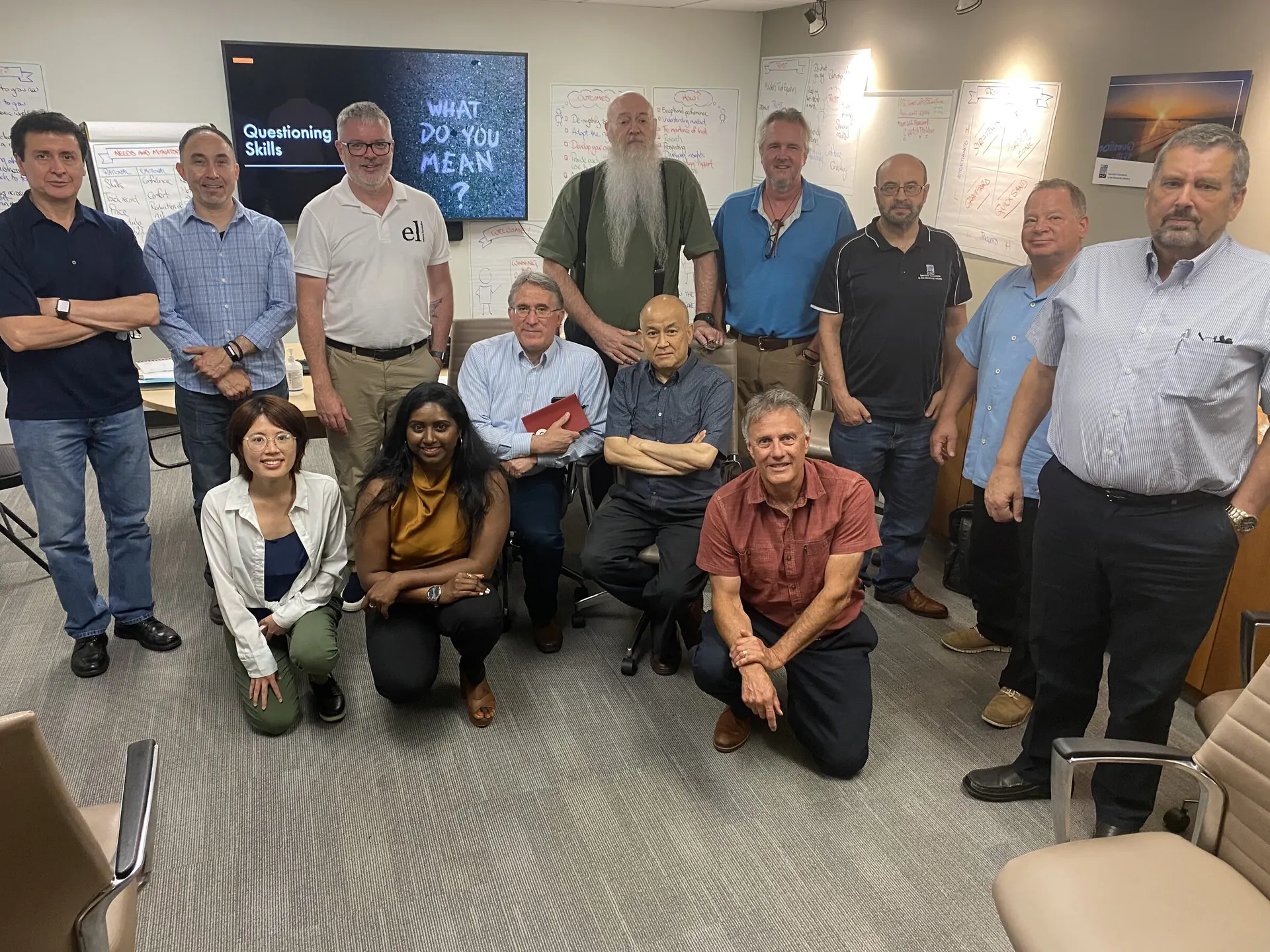
A global consultancy, structured by region
A global engineering consultancy operating in the APAC, North American and European regions. Its senior leaders are predominantly analytical professionals.
- Sector
- Engineering consulting
- Program
- Creating Cohesive Teams
- People
- Senior leadership team, then all levels of leadership
- Region
- APAC, North America and Europe
- Length
- About 2 years
Different results in each region, and little trust at the top
The consultancy saw very different results in each region, financially and culturally.
- The business was structured by region and operated in silos
- Little collaboration across the businesses
- Little focus on moving the group towards its strategic goals and vision
- Little accountability in the senior team
- An underlying lack of trust
- Growth plans missed, and some relationships strained
Find the reasons behind the results
The senior leadership team seemed to work together, yet the group was not achieving its growth plans. With predominantly analytical senior leaders, Patrick Lencioni’s 5 Dysfunctions of a Team gave the ideal framework to uncover the underlying reasons. Based on Lencioni’s own program, we customised Creating Cohesive Teams to the needs and context of the consultancy.
Creating Cohesive Teams, from the senior team down
We started with the senior team, then cascaded the program through all levels of leadership.
-
One-to-one conversations first
We held individual conversations with each senior leader to understand their context and opinions, in a relaxed, confidential setting.
-
Data before the workshop
For analytical professionals, data makes group conversations easier. We combined Lencioni's model with three tools: The Table Group's Team Assessment Survey, the Business Behavioural Styles profiling tool and the Thomas Kilmann Conflict Mode Instrument.
-
A two-day workshop
In a two-day facilitated workshop, the senior team worked out what the results meant, came to understand each other and the team's dysfunctions, and built specific plans for each behaviour a cohesive team needs.
-
Health checks and observed meetings
Six-monthly health check workshops and facilitated senior team meetings, focused on group dynamics, helped the team put its plans in place and drive cultural change.
37%average lift in senior team cohesion
The result: cohesion up 37%, productive conflict up 43%
The first survey brought important realisations about trust and the team's inability to have effective, productive conflict. The team saw how many side-bar conversations happened away from the main team. It committed to a facilitated process of building trust, stepped into discomfort to practise productive conflict, and set guidelines for behaviour to create greater psychosocial safety. Over the next 18 months the team refreshed its OKRs and made key decisions about its make-up. Being clear on its desired culture has let the consultancy reset its business and attract and retain the right people for the right technical roles.
- 23%
- Average lift in the first 6 months
- 11%
- Further average lift over the next 18 months
- 43%
- Lift in productive conflict
