

Australia. Psychosocial safety guide.
Psychosocial hazards: a guide for engineering leaders
Every Australian state and territory now has psychosocial duties in its workplace safety law. Managers shape many of these risks, so they need the skills to act.
-
Who it's for
Engineering managers, HR and WHS leads, and executives with safety duties.
-
Inside
What the law asks, a state-by-state table, the skills managers need, and where The GreyScale fits.
-
Important note
This guide explains the rules in plain words. It is not legal advice.
What is a psychosocial hazard?
Anything in the design or management of work, or in working relationships, that could cause psychological harm. That harm can also lead to physical harm, such as fatigue-related incidents.
Safe Work Australia's model Code of Practice lists these common hazards.
Design of work
6 hazards- High or low job demands
- Low job control
- Lack of role clarity
- Remote or isolated work
- Poor physical environment
- Traumatic events or material
Management of work
4 hazards- Poor support
- Poor organisational change management
- Inadequate reward and recognition
- Poor organisational justice
Working relationships
4 hazards- Violence and aggression
- Bullying
- Harassment, including sexual harassment
- Conflict or poor workplace relationships

Engineering work carries many of these at once
Tight project deadlines, long site rotations, remote locations, client pressure and fast change often show up together.
Definition Psychosocial safety
The state of a workplace where the risk of psychological harm from work is identified, assessed and controlled, so far as reasonably practicable.
What the law asks of employers
Under work health and safety law, a business (a "person conducting a business or undertaking", or PCBU) must manage psychosocial risks the same way it manages physical risks, in four steps.
-
Identify
Identify the hazards
-
Assess
Assess the risks they create
-
Control
Control the risks: eliminate them so far as reasonably practicable, and where you can't, minimise them
-
Review
Review the controls, and keep them working
Businesses must also consult workers and health and safety representatives throughout.
$379,157
The fine imposed on Court Services Victoria in October 2023 over a psychologically unsafe workplace.
Source: WorkSafe Victoria.
How to meet the duties
Approved codes of practice explain how to meet these duties. In NSW, from 1 July 2026, the law requires businesses to follow an approved code or do something equal or better.
Psychosocial hazard laws by state and territory
Each state and territory has its own regulations and code of practice.
| Jurisdiction | Law or code | In force |
|---|---|---|
| Commonwealth Comcare | WHS Regulations, regs 55A to 55D; Commonwealth Code of Practice 2024 | Regulations 1 April 2023; code 2024 |
| New South Wales SafeWork NSW | WHS Regulation, psychosocial duties; Code of Practice made enforceable under s26A of the WHS Act | Duties from 1 October 2022; code enforceable 1 July 2026 |
| Victoria WorkSafe Victoria | Occupational Health and Safety (Psychological Health) Regulations 2025 and Compliance Code | 1 December 2025, no transition period |
| Queensland WorkSafe Queensland | WHS (Psychosocial Risks) Amendment Regulation 2022 and Code of Practice | 1 April 2023 |
| Western Australia WorkSafe WA | WHS (General) Regulations 2022 and Code of Practice | Psychosocial provisions 24 December 2022 |
| South Australia SafeWork SA | WHS (Psychosocial Risks) Amendment Regulations 2023 and Code of Practice | Regulations 25 December 2023; code 19 February 2026 |
| Tasmania WorkSafe Tasmania | WHS Regulations 2022 and Code of Practice | Regulations December 2022; code 4 January 2023 |
| Australian Capital Territory WorkSafe ACT | WHS Amendment Regulation 2023 and approved Code of Practice | Code 27 November 2023 |
| Northern Territory NT WorkSafe | WHS (National Uniform Legislation) Amendment Regulations 2023 and NT Code | Regulations 1 July 2023 |
We checked these dates against each regulator on 8 October 2026. Check your regulator for the current version before you act.
What managers need to be able to do
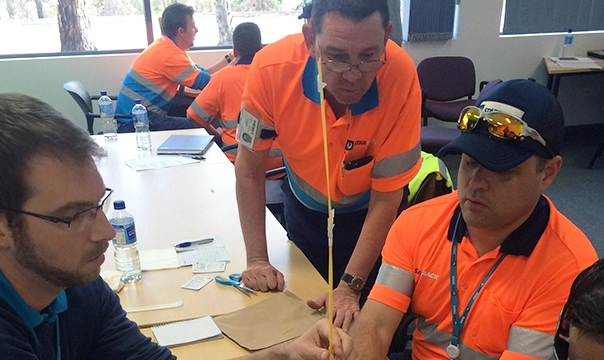
The law places the duty on the business. In practice, managers control many of the hazards on the list. They set workloads, clarify roles, give support, manage change and deal with conflict. A manager who does these well removes risk at the source.
Skills a manager needs
-
Spot the signs early.
Notice changes in workload, mood, conflict and absence across the team.
-
Have the conversation.
Raise concerns and listen without making it worse.
-
Design work well.
Set realistic demands, clear roles and fair processes.
-
Lead through change.
Explain what is changing and why, and involve people early.
-
Handle conflict.
Deal with disagreement before it turns into bullying or harassment.
-
Know their own impact.
Understand how their own style raises or lowers risk for their team.
Understanding the risk comes first. Everyday risk management happens in how leaders behave.
Awareness training covers what a hazard is. Leaders also need practice in the conversations and decisions that control the risk day to day. Our programs focus there.
Where The GreyScale fits
Many assessments describe personality. The GreyScale also measures a leader's psychosocial impact: the effect their behaviour has on the psychosocial safety of the people around them. And it checks whether a person's answers are truthful. The GreyScale provides a lead indicator to your leaders' impact on their team's psychosocial safety, and ultimately their ability to solve problems effectively.
The profile gives each leader, and the business, an evidence-based read on one of the biggest sources of psychosocial risk: how managers lead. The GreyScale forms the Explain phase of our Authenticity Cycle, alongside simulations that show behaviour under pressure and programs that develop new habits.
Note
The GreyScale is one part of the method. It does not replace your organisation's own psychosocial risk assessment.
Measure and develop your leaders' psychosocial impact
We help engineering firms see each leader's psychosocial impact, then develop how they lead.
-
 Measure
The GreyScale assessment
A lead indicator of each leader's impact on their team's psychosocial safety.
Ask about The GreyScale -

-
 Develop
Our programs
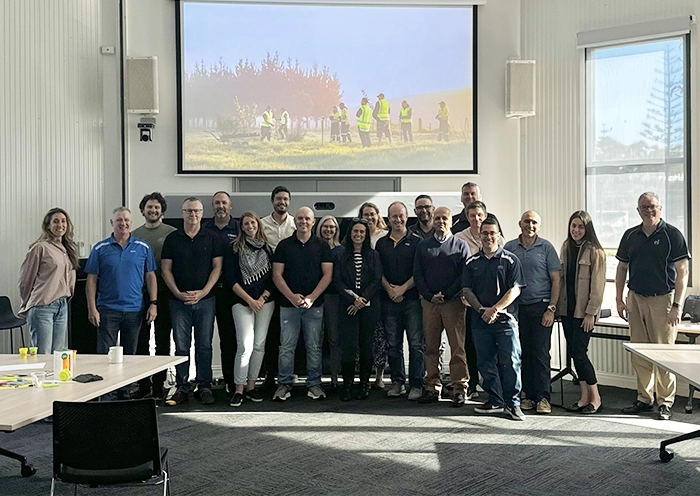
Coaching for Performance, Creating Cohesive Teams and our other programs build the leadership habits behind a safer team.
See all programs
Leadership development supports your psychosocial risk controls. It works best alongside changes to how the business designs and manages work.
Psychosocial safety questions
What is a psychosocial hazard?
A psychosocial hazard is anything in the design or management of work, or in working relationships, that could cause psychological harm. Examples include high job demands, low job control, poor support, unclear roles, poor change management, conflict, bullying and harassment.
What is psychosocial safety?
Psychosocial safety means the risk of psychological harm from work is identified, assessed and controlled, so far as reasonably practicable. It is part of an employer’s workplace safety duty (work health and safety law, or OHS law in Victoria) in every Australian state and territory.
What is a psychosocial risk assessment?
A psychosocial risk assessment looks at the hazards in your workplace, how likely they are to cause harm, and how serious that harm could be. It guides which controls to put in place first. Consult your workers as part of it.
Do managers have to be trained in psychosocial hazards?
The duty to manage psychosocial risk sits with the business. Managers control many of the hazards, so training them is a practical way to meet the duty. Training works best alongside changes to how the business designs and manages work.
When did the Victorian psychological health regulations start?
The Occupational Health and Safety (Psychological Health) Regulations 2025 took effect on 1 December 2025, with no transition period.
Are codes of practice legally binding in NSW?
From 1 July 2026, NSW businesses must follow an approved code of practice, or manage the risk in a way that is equal or better, under section 26A of the WHS Act.
